A basement apartment needs more than a kitchen and a separate door. The layout, exits, safety measures and approvals have to work together for your house. Settle those before choosing the finishes, so your budget builds a home that can follow the required approval route rather than a finished basement with its legal status left unanswered.
What changes the price of a legal basement apartment?
A legal basement apartment in the GTA usually starts from about $55,000 when the ceiling height and an entrance already work. For about 1,000 sq ft, most land between $62,000 and $112,000, plus $13,000–28,000 if it needs a new separate entrance. These are 2026 GTA market ranges in Canadian dollars, before HST, not a Capable price list. Making an already-finished basement legal usually costs less than building a new suite; the price depends on what’s missing. Your exact number follows a free estimate visit and scope review.
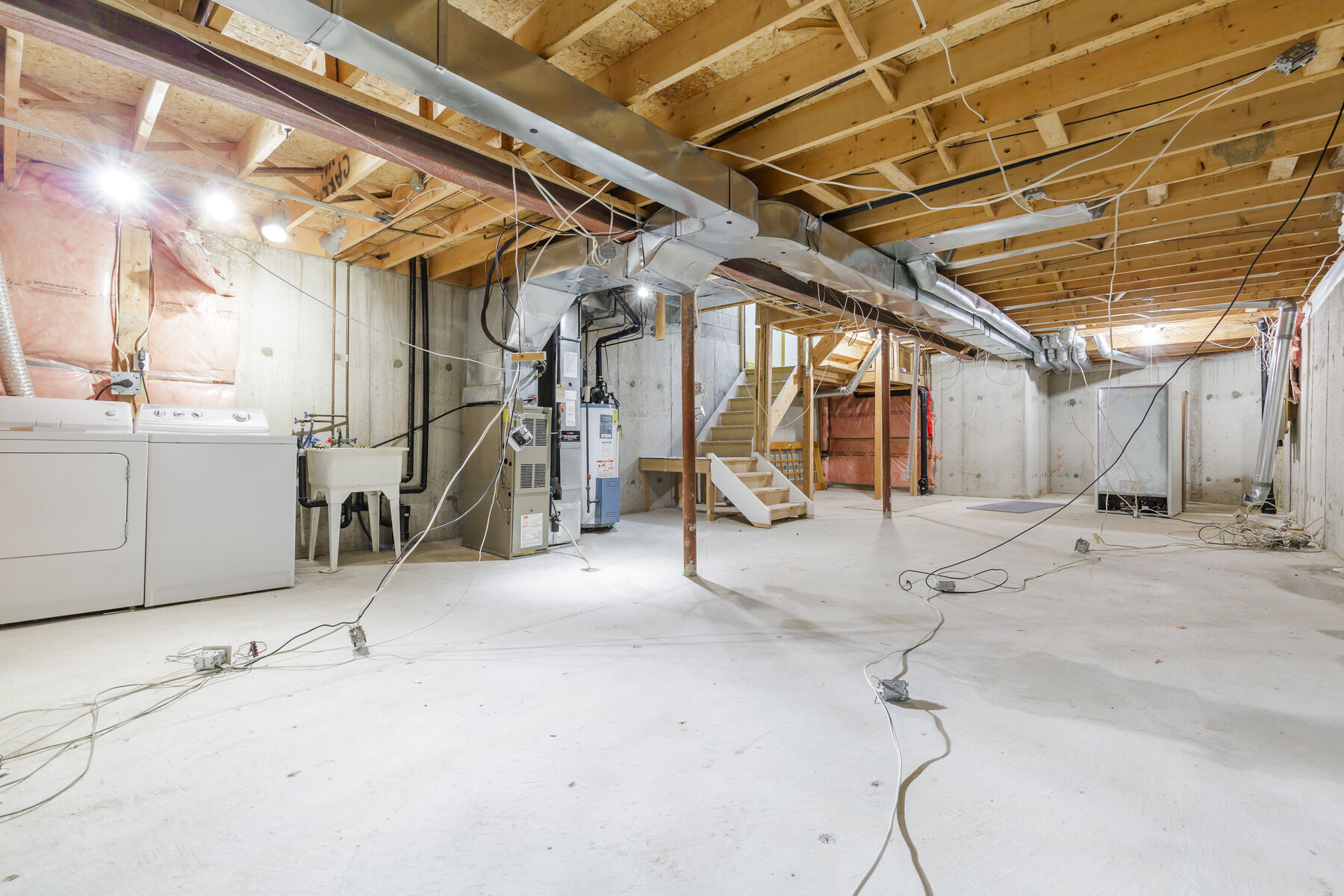
The biggest difference is often what can be retained. An existing finished room may still need work behind the walls or above the ceiling. A basement that looks unfinished may offer a simpler construction sequence because the work is accessible. Compare the necessary construction, rather than assuming that a finished basement will always be cheaper to legalize.
| Decision for your house |
What it can change |
| Retain the existing floor level or create more height |
Structural design, excavation and available room space |
| Use an existing entrance or build a new one |
Access, drainage, openings and site work |
| Keep workable plumbing locations or move them |
Drainage routes, bathroom and kitchen construction |
| Retain existing assemblies or rebuild them |
Fire separation, penetrations, noise and repair work |
| Create a new suite or correct an existing apartment |
Records, design route, inspections and the work needed for approval |
We offer a fixed, itemized quote for the agreed scope. It should let you see the required work before you choose where to spend on finishes. Read the basement cost guide, or use the Mississauga legalization cost guide for that city’s planning questions.
What does “legal” mean for your project?
The proposed dwelling needs to satisfy the applicable zoning, Building Code and approval requirements, with registration where the municipality requires it. The right route can depend on the building, the existing approvals and when an older suite was created. A list of minimum dimensions does not establish those facts for your house.
Your designer needs to resolve the usable height, rooms, safe exit route, windows, fire separation, smoke and carbon-monoxide alarms, plumbing, ventilation and electrical work as one plan. For example, making an opening larger can affect both the room layout and the construction outside it. Adding a kitchen can change the plumbing and services as well as the cabinetry.
Ontario’s 2024 Building Code information explains the current code framework. Its second-unit homeowner guide explains the planning topics; check the current applicable provisions with the designer and municipal building department before using any dimension as a design instruction.
Follow your municipality’s route
| Municipality |
The first distinction to make |
Official route |
| Toronto, including Etobicoke |
A new secondary suite follows the interior-alteration permit route, with the required plans and associated submissions. |
Secondary suites |
| Vaughan |
A conversion to a secondary suite requires a building permit; drawings and other approvals must match the proposal. |
Vaughan homeowner guide |
| Markham |
All two-unit houses must be registered. New and existing suites have different starting steps. |
Second-suite registration |
| Brampton |
Second and third units must be registered; use the process for the unit type you are creating. |
Additional residential units |
| Halton Hills |
Check the urban or rural property guidance, servicing and zoning before following the registration process. |
ARU guidance |
| Mississauga |
Second units require registration as well as meeting the applicable building, fire and zoning requirements. |
Registering a second unit |
Connect the approval plan to a home you want to use
A compliant layout still needs to work day to day. Decide where the occupants enter, how the kitchen and living space connect, where laundry and storage sit and which services must remain accessible. Use the 3D design to understand those choices before the construction plan is fixed.
Design, 3D renderings and permit drawings are included in every quote; drawings alone usually cost $2,000–5,000 in Toronto.
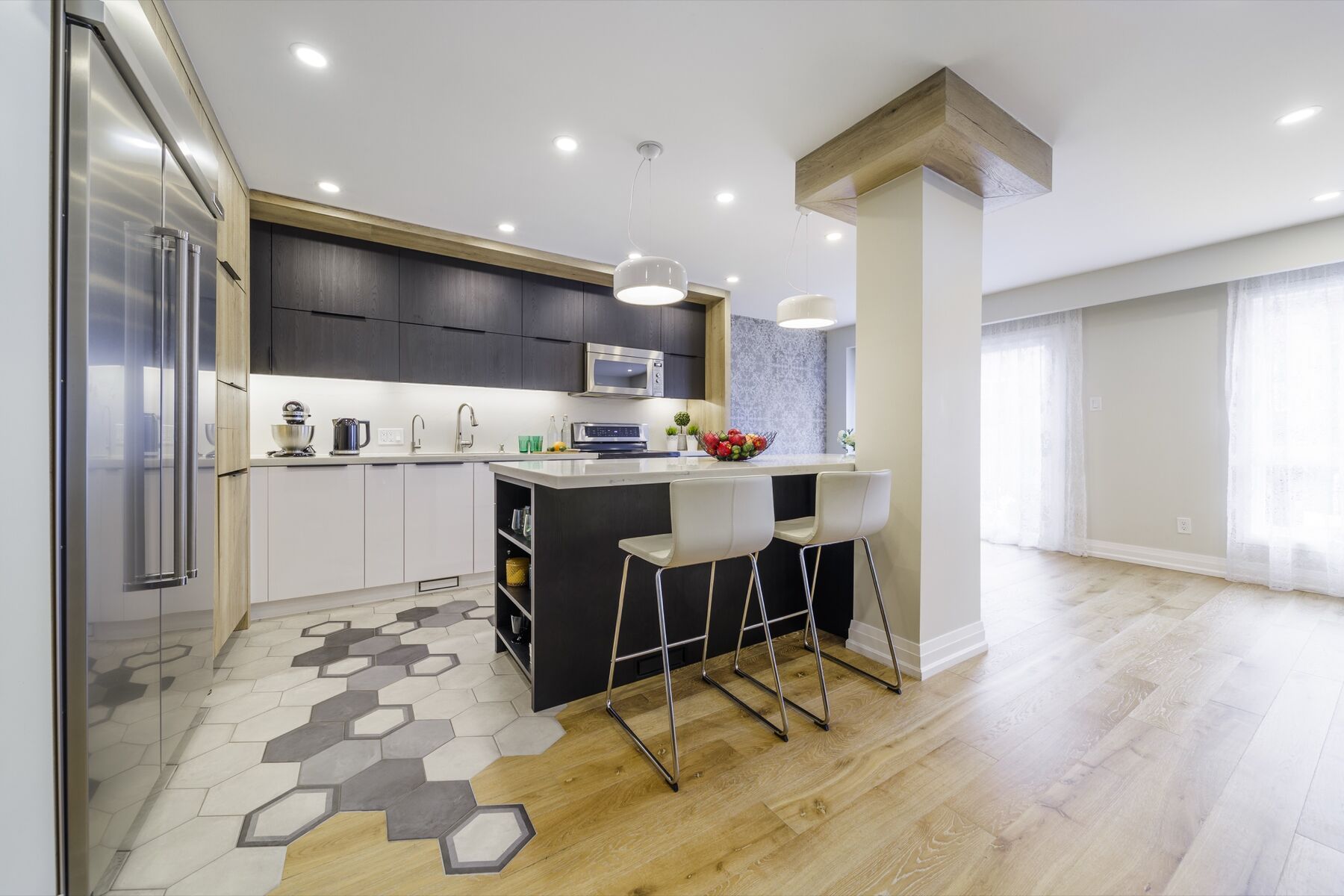
See a real Pickering basement kitchen and Scarborough basement bathroom. These demonstrate finished components in their actual locations, rather than being presented as legal-suite approval records. The completed-project collection gives you more work to compare.
From the first discussion to the agreed build
Start with the city, intended use and what is already in the basement. We discuss the layout and permit-sensitive work, develop the design and fixed quote, and identify the construction and approval responsibilities in the agreement. The required inspections need to be planned into the build stages, before work that must be checked is concealed.
Review the contractor-proof guide and written warranty terms with the quote. That gives you the company and project documents to compare alongside the rooms and price.
Legal basement apartment questions
Can an existing apartment be made legal?
It may be possible, but first check its permit and registration history, age and actual construction. The necessary corrections can include work concealed by the existing finishes, so appearance alone cannot establish the price or approval route.
Is there one ceiling height or window rule for every basement?
No single summary establishes the applicable requirements for every project. Building age, the renovation route and the proposed use can affect which provisions apply. Have the designer check the current code and municipal requirements for your plan.
Can a 3D drawing prove the suite is approved?
No. It helps you understand the layout and finishes. The permit documents, required inspections and any registration establish the relevant municipal approval record.
Is a legal suite always more valuable or profitable?
No universal return can be promised. Compare the proposed use, full construction budget and your responsibilities before treating potential rent or resale value as a reason to proceed.
What should I have ready for a quote?
Tell us the city, whether the unit is new or already exists, how you intend to use it and what approval records are available. Those answers help us start with the right project rather than assume every basement needs the same conversion.
Request your basement apartment quote
Tell us where the house is and what you want the apartment to do. We will review the project with you and develop a fixed quote for the agreed plan.
A legal suite can make lower-level square footage work harder—for family flexibility today and property-specific rental income where the home and local requirements support it. The financial case only works when safety, privacy, daily use, sound control, maintenance, and approval risk are solved early.
Before budget goes into finishes, check the items that usually decide the project: separate entrance, ceiling height, egress, fire separation, kitchen and bathroom layout, ventilation, plumbing route, electrical capacity, moisture, laundry, storage, sound control, and permit-sensitive changes.
This page is planning guidance, not legal advice or permit approval. Final requirements must be confirmed for the specific property and municipality. The first useful step is a feasibility review, not a generic finish quote.
A quote is only useful after the main feasibility items are visible. In a photo and scope review, the goal is to identify likely blockers, missing information, and the next step before design or finishes are priced.
Some basement apartment ideas should not move straight to a contractor quote. Pause and review feasibility first if the basement has low ceilings, no workable entrance, unclear egress, moisture, foundation concerns, old electrical, difficult plumbing routes, or a layout that forces the kitchen, bathroom, and bedroom into poor circulation.
The useful next step is a photo and scope review. Send the city, rough ceiling height, entrance condition, window condition, intended use, and photos of the mechanical, bathroom, and possible kitchen areas. That gives enough context to decide whether the project should move into pricing, design, or a deeper permit/code review.